Understanding Male Vitality: What It Is and Why It Matters
What is Male Vitality? Defining the Concept
So, what exactly is male vitality? It’s a term that covers various aspects of health and well-being, including energy levels, libido, and overall physical health. In simple terms, if you’re feeling energized, active, and in touch with your body, you're likely experiencing good male vitality.
Research suggests that male vitality isn't just about physical health; it's also tied to emotional and mental well-being. A detailed study on vitality definitions identified several key metrics—like hormonal balance, sexual health, and energy—that contribute to a man's sense of vitality. These components work together to shape how you feel day-to-day.
One interesting study published in a health journal found that men with higher vitality scores reported better overall satisfaction with their lives. This included aspects like improved relationships and job performance. It shows that vitality can ripple through various areas of life, not just health.
Let’s take California, for example. Many men there are embracing the outdoors and active lifestyles, which can boost energy and libido. By engaging in physical activities, they're tapping into what it means to feel vital. Incorporating activities like hiking or biking can help men across the country to experience similar benefits.
In short, male vitality encompasses a blend of physical, mental, and emotional health. It’s vital for men to pay attention to these aspects to live their best lives.
The Role of Hormones in Male Vitality
Here’s the thing about male vitality: hormones play a big role. When we think about vitality, testosterone often comes to mind, as it significantly affects energy levels and libido. As men age, testosterone levels can decrease, which might lead to feelings of fatigue or a dip in sexual desire.
Studies indicate that balanced hormone levels are essential for maintaining vitality. When testosterone is at optimal levels, men often report feeling more energetic and engaged with life. The tricky part is that factors like stress, diet, and sleep can all affect hormone levels, leading to imbalances.
Research also highlights age-related declines in testosterone. A study found that testosterone levels can drop by about 1% each year after the age of 30. This gradual decline can impact both physical performance and mental health, underscoring the need for awareness in men over 40.
In Texas, many health clinics offer hormone testing for men experiencing low energy. Getting a simple blood test can help determine if hormones are part of the vitality puzzle for you. Whether it’s working with a healthcare provider or making lifestyle changes, knowing your hormone levels can be a game changer.
Ultimately, understanding the role of hormones in male vitality is crucial. A balanced approach to health can help maintain those vital energy levels and libido.
Nutrition and Its Influence on Male Vitality
Look, what you eat matters—especially when it comes to male vitality. A balanced diet plays a significant role in energy levels, libido, and overall health. So, if you’re feeling sluggish or less enthusiastic, it might be time to take a closer look at your plate.
Research suggests that certain nutrients are particularly beneficial for male health. For example, omega-3 fatty acids, zinc, and vitamin D have all been linked to improved testosterone levels and energy. Foods like fish, nuts, and leafy greens can make a big difference in how you feel.
A study on dietary patterns indicated that men who consume a Mediterranean-style diet report higher energy levels and better overall health. This diet emphasizes fruits, vegetables, whole grains, and healthy fats—essential components of a vitality-boosting nutrition plan.
In Florida, local farmers' markets are a great resource for fresh produce. Incorporating these nutritious foods into your meals can be a delicious way to support your vitality. You could even try new recipes that focus on these ingredients!
To sum it up, nutrition significantly influences male vitality. Adopting a nutrient-rich diet can lead to increased energy and improved overall well-being.
Exercise: A Vital Component of Male Vitality
But here’s the kicker: exercise is a cornerstone of male vitality. Regular physical activity can boost energy levels, enhance libido, and improve overall health. So if you’re not moving your body enough, you might be missing out on a crucial aspect of feeling vibrant.
Studies indicate that men who engage in regular exercise experience higher testosterone levels and improved mental health. This is especially true for men aged 35-60, who can benefit greatly from a mix of strength training and cardiovascular workouts. It's not just about lifting weights—it’s also about staying active in daily life.
In one research study, participants who committed to a consistent exercise routine showed significant improvements in their vitality scores after just a few months. It’s clear that moving your body can lead to tangible benefits, no matter your age.
In Illinois, many communities offer outdoor fitness classes or local gyms promoting men's health initiatives. Joining a group or picking up a new sport can be a fantastic way to get moving and enhance your vitality while having fun.
To wrap it up, exercise is non-negotiable when it comes to male vitality. Finding the right activities can be a game changer for your energy and overall health.
Mental Health and Male Vitality: The Connection
So, let’s talk about mental health. It’s something many men overlook when considering vitality, but it’s crucial. Stress and anxiety can take a toll on your physical health, energy levels, and even sexual performance. If you’re feeling mentally drained, your vitality will likely suffer.
Research suggests that mental well-being directly impacts physical health. For men, high stress levels can lead to fatigue, lower hormone levels, and decreased libido. This connection shows that taking care of your mind is just as important as focusing on physical health.
A study published in a prominent health journal found that men who regularly engage in mindfulness practices reported greater overall vitality and lower stress levels. Techniques like meditation, deep breathing, or even talking to a therapist can help you manage these feelings.
In New York, many men are turning to group therapy or community activities focused on mental wellness. Connecting with others and openly discussing mental health can lead to a support system that enhances your vitality.
In short, mental health is a vital piece of the vitality puzzle. Prioritizing your mental well-being can unlock new levels of energy and engagement in life.
The Impact of Sleep on Male Vitality
Look, sleep can’t be ignored. It’s foundational for male vitality, and yet many men underestimate its importance. Poor sleep quality or not getting enough rest can lead to fatigue, irritability, and reduced libido. When was the last time you woke up feeling truly refreshed?
Research indicates that sleep directly affects hormone levels, including testosterone. A study found that men who got less than seven hours of sleep per night had significantly lower testosterone levels compared to those who slept longer. This lack of quality sleep can be a real vitality killer.
Good sleep hygiene practices—like maintaining a regular sleep schedule or creating a calming bedtime routine—can help improve the quality of your sleep. Even small changes can make a big difference in how you feel during the day.
In Florida, many wellness centers offer workshops on sleep hygiene, emphasizing the importance of quality sleep for overall health. Taking part in these events can provide valuable tips for improving your sleep environment.
In summary, never underestimate the power of sleep. Prioritizing quality rest can be a game changer for your vitality.
Lifestyle Factors That Affect Male Vitality
And let’s not forget lifestyle choices. They play a huge role in male vitality, touching on everything from alcohol consumption to stress management. If you’re making poor lifestyle choices, it could be impacting your energy and overall health in ways you don’t even realize.
Research suggests that smoking and high alcohol consumption can lower testosterone levels and diminish vitality. A study revealed that men who smoke or engage in heavy drinking often report lower energy levels and increased fatigue. It’s a sobering thought!
On the flip side, adopting healthier habits—like practicing mindfulness or engaging in hobbies—can make a positive impact. Men who actively manage stress and find balance often report feeling more vibrant and engaged with life.
In Texas, many communities are hosting wellness workshops focused on lifestyle changes. Getting involved in these programs can provide resources and motivation to make better choices.
In short, lifestyle factors are pivotal in maintaining male vitality. Small adjustments today can yield big results for your health tomorrow.
Age and Male Vitality: What to Expect After 40
But here’s the reality: age does come with changes. After 40, many men start noticing shifts in their vitality. These changes often include lower testosterone levels, reduced energy, and even changes in mood. Ever wondered why you might feel different as you get older?
Research indicates that testosterone levels can decline by about 1% each year after the age of 30. This gradual decrease can affect not just physical performance but mental sharpness and sexual health too. Understanding these changes can help you better navigate them.
A study focusing on aging and vitality found that men who actively engaged in healthy lifestyle choices—like exercising and eating well—fared better in maintaining their vitality as they aged. It shows that while age can bring challenges, how you respond to them makes a difference.
In California, many gyms cater to the 40+ crowd, offering tailored programs that focus on maintaining energy and fitness. Joining such a program can help you adapt to these changes and keep feeling vital.
To wrap it up, aging can impact male vitality, but it doesn’t have to define it. By staying proactive and engaged, you can maintain a vibrant life.
The Role of Supplements in Supporting Male Vitality
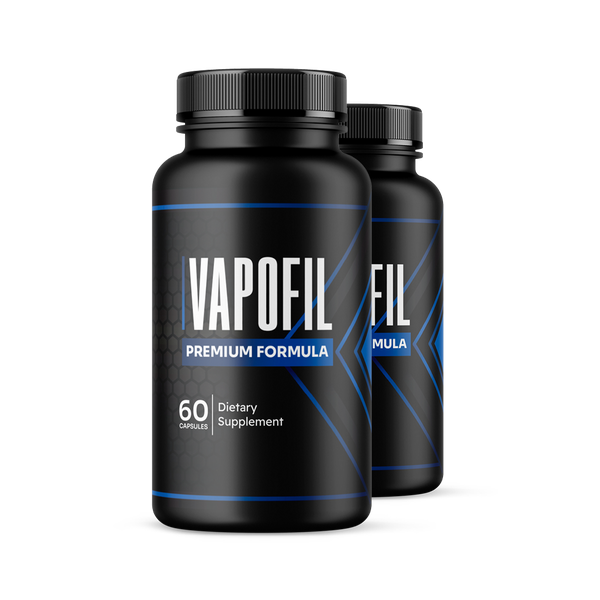
So, let’s chat about supplements for a moment. Many men are curious about how these can support their vitality. While whole foods should always be the priority, some supplements may support energy levels and hormonal balance, like VapoFil, which has gained attention in the male vitality space.
Research suggests that certain key ingredients, like zinc and vitamin D, can play significant roles in maintaining testosterone levels. Other ingredients—such as herbal extracts—may help improve energy and libido. Understanding these components can help you make informed choices.
A study on supplement utilization found that men who incorporate specific supplements into their routines often report better vitality and energy levels. It’s not a one-size-fits-all, but some men do find benefits from adding these products.
In New York, many health stores offer consultations to help men choose the right supplements based on their individual needs. If you’re considering supplements, exploring local options may guide you toward what’s best for your situation.
In summary, while food is essential, supplements might provide a helpful boost for some. Exploring the right options can enhance your journey toward increased vitality.
Key Strategies for Improving Male Vitality
And finally, let's talk about strategies for improving male vitality. There’s no magic pill, but there are actionable steps you can take to boost your energy, libido, and overall health. Are you ready to embrace some changes?
Research suggests that a combination of exercise, balanced nutrition, and stress management can lead to significant improvements in vitality. Regular workouts, choosing nutrient-dense foods, and making time for relaxation can all contribute to feeling your best.
Additionally, engaging in social activities and prioritizing mental health cannot be overlooked. A study found that men who maintain social connections often report greater life satisfaction and vitality.
In Florida, for example, many men are joining local sports leagues or community groups to stay active and connected. This not only keeps them physically fit but also adds to their emotional well-being.
To sum it up, improving male vitality is possible with a few lifestyle changes. Embracing these strategies can help you feel more energetic and engaged in life.
Key Takeaways
- Male vitality encompasses physical health, energy, and libido.
- Hormone balance, particularly testosterone, is crucial for vitality.
- Nutrition plays a key role in maintaining energy levels and libido.
- Regular exercise significantly enhances male vitality.
- Mental health is a vital component of overall vitality.
- Quality sleep is essential for rejuvenating male health.
- Lifestyle choices can either support or hinder male vitality.
References & Sources
- Defining male vitality: a review — PubMed
- Testosterone and health — PubMed
- Dietary factors and male health — PubMed
- Physical activity and vitality — PubMed
- Mental well-being and male health — PubMed
- Sleep and vitality — PubMed
- Lifestyle impacts on health — PubMed
- Aging effects on male vitality — PubMed
- Supplements for male vitality — PubMed
- Strategies for improving male health — PubMed