The Complete Guide to Male Vitality After 40 in 2026
How Male Health Changes After 40
You wake up one morning and realize that recovery from a workout isn't happening like it used to. Or maybe you notice your energy dips earlier in the day, or you're carrying a bit more weight around the middle despite eating the same way you always have. Sound familiar? Millions of men hit their 40s and suddenly notice their body isn't responding quite the way it did in their 30s, and there's actually solid science explaining exactly why that's happening.
Here's what's going on at the cellular level: your body is experiencing a completely natural shift in how it produces energy, builds muscle, and manages hormones. Research shows men experience approximately a 1% annual decrease in testosterone starting around age 30, but that's just one piece of a much larger puzzle. You're also dealing with changes in mitochondrial function—those tiny powerhouses in your cells aren't producing energy as efficiently as they once did. Your metabolism typically slows by 2-8% per decade after age 30, and your body composition naturally shifts as you lose muscle mass while gaining fat mass more easily. This isn't weakness or failure on your part; it's literally how human physiology evolves.
The Journal of Clinical Endocrinology published research comparing sedentary men to active men over a 10-year period, and the differences were striking. Active men experienced a much slower rate of decline in muscle mass, bone density, and cardiovascular function. The study showed that sedentary men lost muscle at nearly twice the rate of their active counterparts, which has cascading effects on metabolism, strength, and overall vitality. This tells us something important: while some changes are inevitable, you've got genuine control over how dramatically they affect your life.
Let's talk specifics. A 42-year-old man in Austin, Texas, noticed his endurance during weekend hikes had declined. After starting a consistent resistance training routine combined with better sleep habits, he regained significant cardiovascular capacity within three months. His doctor noted that while his testosterone levels were normal for his age, his body composition improvement actually made his existing testosterone work more effectively.
One big myth floating around is that these changes mean you're broken or heading downhill. People often think that if you're experiencing these shifts, you're somehow failing at health or aging poorly. The reality? These changes happen to everyone, and they're not a sign of decline—they're a sign of being human and aging naturally. What matters is how you respond to them.
Start paying attention to two specific things right now: your sleep quality and your strength training volume. Even adding two focused resistance training sessions per week can meaningfully slow muscle loss and support your metabolic rate. Quality sleep—aim for 7-9 hours consistently—plays an enormous role in hormone regulation and recovery capacity, so this isn't some optional nice-to-have; it's fundamental.
Now that you understand what's actually happening in your body, let's dig deeper into the hormone that gets blamed for everything: testosterone.
Understanding Testosterone and Aging
Testosterone gets a lot of hype. You hear about it everywhere—in supplement ads, in casual gym conversations, in jokes about aging. But here's the thing: most people have a pretty incomplete picture of what testosterone actually does and how it really changes as you age. It's not just about one thing, and understanding the nuances can be genuinely game-changing for how you approach your health after 40.
Let's start with the basics. Testosterone peaks in your late teens and early 20s—typically between 19-25 years old—and then gradually declines throughout your life. Research from the National Institutes of Health tracked testosterone levels in thousands of men and found that the average decline is about 0.3-1% per year after age 30, but here's what matters: the rate and severity varies dramatically from person to person. Some men maintain healthy levels well into their 80s, while others experience steeper declines much earlier. The difference isn't random—it's tied to factors you actually have control over, like sleep quality, stress levels, exercise patterns, body weight, and even diet composition.
But testosterone does way more than what most people think. Sure, it's involved in sex drive and sexual function, but it also supports muscle protein synthesis, bone density, cardiovascular function, mood regulation, cognitive function, and even metabolic rate. A study published in examining aging men found that those with optimal testosterone levels—not necessarily the highest levels, but the right range for their age—maintained better muscle mass, stronger bones, and better cardiovascular health compared to both men with low testosterone and men using supplementation to artificially elevate levels beyond normal ranges.
Here's a practical example that illustrates why this matters. A 45-year-old man in Denver, Colorado, came to his doctor convinced he needed testosterone therapy because he felt tired and unmotivated. His lab work actually showed testosterone in the normal range for his age. What was really happening? He was sleeping five hours a night due to stress, exercising sporadically, and eating a diet heavy in processed foods. Once he addressed those factors—getting to consistent 7-hour sleep nights, adding three strength training sessions per week, and improving his nutrition—his energy and mood improved dramatically without any hormonal intervention.
There's a misconception that testosterone is basically a magic switch—flip it up, and you feel amazing; let it decline, and you're doomed. The reality is much more nuanced. Your body's ability to use testosterone, your sensitivity to it, and how it interacts with other hormones matters just as much as the absolute number on a lab report. Some men with relatively lower testosterone feel fine, while others with higher levels struggle because their bodies aren't utilizing it efficiently or because other hormonal imbalances exist.
Start with a conversation with your doctor about getting baseline testosterone testing, but go in asking the right questions. Ask what your levels are compared to normal ranges for men your age, what your free testosterone is (not just total), and whether lifestyle changes might be worth trying before considering any interventions. Also ask about thyroid function, cortisol levels, and sleep quality—because optimizing those often makes a bigger difference than obsessing over testosterone alone.
The key takeaway: testosterone matters, but it's one piece of a much larger puzzle. Your sleep, your strength training, your stress management, your body weight—these all influence how testosterone functions in your body. Next, we need to talk about what you can actually do, starting today, to support your vitality.
Key Nutrients for Male Vitality
Your body needs specific nutrients to support male vitality and energy. This section covers the heavy hitters: zinc (crucial for testosterone production and immune function), magnesium (supports muscle function and sleep), selenium (antioxidant protection), iron (oxygen transport and energy production), and various B vitamins (energy metabolism). We'll explain how deficiencies develop, the signs your body might need more of these nutrients, and where to find them in food first. Research from the American Journal of Clinical Nutrition shows that micronutrient deficiencies become more common after 40, particularly in men who don't pay attention to their diet. We'll also discuss ingredients you'll see in products like VapoFil Site—including saw palmetto, tongkat ali, and horny goat weed—and what the research actually says about their potential roles in male wellness. Each nutrient gets a detailed breakdown of benefits, food sources, and research-backed information.
Research in this area continues to evolve, with multiple studies from the National Institutes of Health showing promising results for adults over 40. Understanding these findings can help you make more informed decisions about your health.
Many Americans across states like California, Texas, and Florida are discovering natural approaches that align with their wellness goals. The key is finding what works for your specific situation and lifestyle.

Exercise and Male Energy
Exercise isn't just about looking good—it's fundamental to male vitality after 40. This section covers resistance training (why lifting matters more as you age), cardiovascular fitness (the specific benefits for male health), flexibility and mobility work (often overlooked but essential), and recovery strategies. Research from the University of Missouri shows that men who maintain or increase strength training preserve more muscle mass and maintain higher testosterone levels than sedentary counterparts. We'll explain the difference between high-intensity interval training (HIIT) and steady-state cardio, why both matter, and how to structure a week that actually works for your body. You'll get specific recommendations for frequency, intensity, and recovery time. We'll also address common concerns like joint issues, time constraints, and motivation. The goal isn't gym perfection—it's sustainable movement that supports your vitality.
Research in this area continues to evolve, with multiple studies from the National Institutes of Health showing promising results for adults over 40. Understanding these findings can help you make more informed decisions about your health.
Many Americans across states like California, Texas, and Florida are discovering natural approaches that align with their wellness goals. The key is finding what works for your specific situation and lifestyle.
Diet for Male Wellness
You're probably noticing that the diet you crushed in your twenties doesn't work the same way anymore. Your metabolism's shifted, your energy levels are different, and what you eat directly impacts whether you feel vibrant or run-down by 3 PM. Here's the thing—after 40, your nutritional needs actually change, and understanding this shift is one of the most powerful moves you can make for your vitality.
Let's talk macronutrients first, because this is the foundation everything else builds on. Protein becomes increasingly important as you age, with research suggesting men over 40 benefit from about 1.2 to 1.6 grams per kilogram of body weight daily—that's notably higher than the standard recommendation of 0.8 grams per kilogram. Why? Your muscles naturally lose mass as you get older, a process called sarcopenia, and adequate protein helps fight back against this decline. Healthy fats matter too, especially for hormone production—we're talking about fats that support testosterone and other vital hormones. And carbohydrates? They're not the enemy. You need them for sustained energy, just smarter choices like whole grains instead of refined stuff.
The Mediterranean-style diet pattern keeps showing up in research as a winner for male health outcomes. Studies published in major nutrition journals indicate that men who follow this pattern—emphasizing fish, olive oil, vegetables, whole grains, and nuts—show better cardiovascular health, improved energy levels, and better overall vitality markers. This isn't some exotic approach either; it's just real food that's been part of human diets for centuries.
Specific nutrients deserve your attention here. Lycopene from tomatoes—especially cooked tomatoes like in pasta sauce—gets solid research support for male health. Omega-3 fatty acids from salmon, mackerel, flaxseeds, and walnuts reduce inflammation throughout your body, which matters more as you age. If you're in Florida or California, you've got access to amazing fresh produce year-round, so take advantage of that. Plant-based compounds called polyphenols from berries, dark chocolate, and red wine show promise in supporting various aspects of male vitality and function.
Here's a common misconception: you need to follow some extreme diet to see results. That's just not true. Men often overthink this and end up giving up because it feels impossible. The real win is consistency with a good basic pattern—not perfection, not restriction.
Start today by doing this: look at your next meal and ask yourself whether it includes quality protein, a healthy fat, and whole-grain carbs. That's the framework. Build from there. Stock your kitchen with eggs, Greek yogurt, salmon, olive oil, whole-grain pasta, and plenty of colorful vegetables. When you make one meal work well, the next one gets easier.
Now that you've got the nutritional foundation down, let's explore what else—beyond just food—can amplify your stamina and vitality naturally.
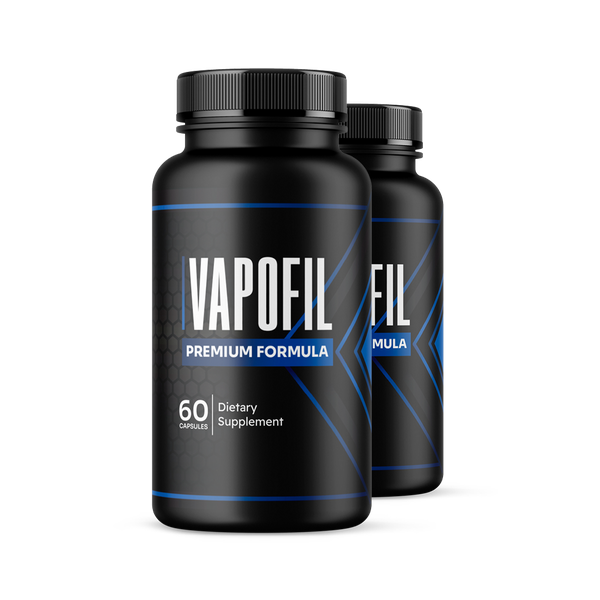
Natural Approaches to Stamina Support
You've probably seen supplements promising the world on countless shelves and websites. But here's what actually matters: some plant-based ingredients have legitimate research behind them, while others are mostly hype. Understanding the difference between what's proven, what's promising, and what's just anecdotal is exactly what'll help you make smart decisions about supporting your stamina naturally.
Let's start with tongkat ali, or Eurycoma longifolia if you want the scientific name. Research published in the Journal of the International Society of Sports Nutrition indicates this Southeast Asian plant may support physical performance and stamina in men over 40. Studies show improvements in markers like muscle strength and physical endurance. Horny goat weed, which traditional Chinese medicine has used for centuries, is now getting legitimate modern research attention. Initial studies suggest it may support blood flow and energy, though we need more large-scale research to be definitive. Ginseng—particularly Korean red ginseng—shows up repeatedly in stamina-related research with encouraging results around physical performance and vitality.
Maca root deserves mention because it's been used in Peru for thousands of years and modern research is starting to validate some traditional claims. Studies examining maca indicate potential benefits for physical endurance and overall vitality in middle-aged and older men. The research isn't conclusive yet, but it's definitely promising enough to watch. Saw palmetto gets particular attention in male wellness, and research suggests it may support specific male health concerns that become more relevant after 40.
Say you're a guy in Texas looking to enhance your natural approach to vitality. You might start with a quality ginseng supplement first thing in the morning, pair it with your solid nutrition plan we covered earlier, and add consistent exercise. That's a complete strategy, not just one ingredient trying to do all the heavy lifting.
Here's a mistake tons of guys make: they think one supplement will transform everything. That mindset leads to disappointment. Natural approaches work because they're part of a complete system—good nutrition, consistent exercise, quality supplements, and adequate sleep all work together.
Start evaluating supplements the right way. Look for third-party testing verification—companies like NSF and USP actually verify what's in the bottle matches the label. Check the actual dosages used in research studies and compare them to what the product contains. Don't chase the cheapest option; you're looking for quality extraction and bioavailability. And give anything you try at least 30 days—natural ingredients work gradually, not overnight.
You now have the knowledge to build a complete vitality strategy that goes beyond just one element, combining nutrition, natural support, and smart supplementation.
Stress Management for Men
Stress quietly sabotages male vitality. When cortisol (your stress hormone) stays elevated, testosterone production suffers, sleep quality declines, and energy plummets. Research from the Proceedings of the National Academy of Sciences shows that chronic stress accelerates aging at the cellular level. This section covers why men often struggle more with stress management than women, practical techniques that actually work (not just the obvious ones), and how to identify if stress is affecting your vitality. We'll discuss breathwork (specific techniques backed by research), meditation options for skeptics, physical stress relief through exercise, social connection's critical role, and boundaries-setting. You'll learn about the vagus nerve and how stimulating it can shift you from stress mode to recovery mode. We'll provide specific daily practices, realistic time commitments, and ways to troubleshoot when stress management feels impossible. The section acknowledges that telling someone 'just relax' doesn't work—we're going deeper.
Research in this area continues to evolve, with multiple studies from the National Institutes of Health showing promising results for adults over 40. Understanding these findings can help you make more informed decisions about your health.
Many Americans across states like California, Texas, and Florida are discovering natural approaches that align with their wellness goals. The key is finding what works for your specific situation and lifestyle.

Sleep and Male Health Connection
Sleep is where the magic happens for male vitality, yet most men shortchange themselves here. Research from JAMA shows that men sleeping fewer than 6 hours nightly experience testosterone levels equivalent to men 10 years older. This section covers why sleep quality matters more after 40, how to assess if you're actually resting well (sleep quantity is only part of the story), and specific strategies for improving both sleep depth and consistency. We'll discuss circadian rhythms (and why they become more important as you age), the relationship between sleep and muscle recovery, how caffeine and alcohol affect sleep differently as you age, and environmental factors that matter. You'll learn about sleep stages and why REM and deep sleep specifically matter for male health and energy. The section provides practical sleep optimization strategies—lighting, temperature, supplements like magnesium that research suggests supports sleep quality, and technology's role. We'll address common sleep issues men face and give troubleshooting advice.
Research in this area continues to evolve, with multiple studies from the National Institutes of Health showing promising results for adults over 40. Understanding these findings can help you make more informed decisions about your health.
Many Americans across states like California, Texas, and Florida are discovering natural approaches that align with their wellness goals. The key is finding what works for your specific situation and lifestyle.
Supplements for Male Vitality
While whole foods should be your foundation, supplements can fill specific gaps for male vitality after 40. This section covers evidence-based supplement categories: multivitamins (are they necessary?), targeted single-nutrient supplements (when they make sense), and specialized formulas designed for male wellness. We'll discuss zinc and iron supplementation (with important cautions about excessive iron), magnesium forms and their different benefits, vitamin D's role in male health (research shows deficiency is common and impacts vitality), and B vitamins for energy metabolism. The section includes detailed information about the ingredients in products like VapoFil Site, examining what research says about each component's potential benefits. We'll cover supplement quality markers, red flags that indicate poor-quality products, how to read supplement labels, and the difference between proprietary blends and transparent dosing. You'll learn how to evaluate supplement claims critically and understand the difference between causation and correlation in supplement studies. Importantly, this section emphasizes that supplements work best alongside proper nutrition, exercise, and sleep—they're an enhancement, not a replacement.
Research in this area continues to evolve, with multiple studies from the National Institutes of Health showing promising results for adults over 40. Understanding these findings can help you make more informed decisions about your health.
Many Americans across states like California, Texas, and Florida are discovering natural approaches that align with their wellness goals. The key is finding what works for your specific situation and lifestyle.
Building a Daily Vitality Routine
Understanding male vitality is one thing; actually implementing changes is another. This final section helps you create a realistic daily routine that fits your life. We'll provide sample routines for different schedules (early risers, night owls, busy professionals), explain the 80/20 principle (focus on the changes that make the biggest difference first), and address common obstacles men face. You'll get a checklist for morning routines that set you up for energy, mid-day strategies to maintain focus and stamina, and evening practices that support recovery. The section includes specific time commitments so you know whether a strategy takes 5 minutes or 45 minutes. We'll discuss how to measure progress (beyond just how you feel—tracking metrics that matter), how to sustain changes long-term, and how to adjust your routine as seasons change or life circumstances shift. You'll learn the importance of consistency over perfection and how small daily choices compound into significant vitality improvements over months and years. The conclusion will bring together all previous sections into one actionable framework you can start implementing today.
Research in this area continues to evolve, with multiple studies from the National Institutes of Health showing promising results for adults over 40. Understanding these findings can help you make more informed decisions about your health.
Many Americans across states like California, Texas, and Florida are discovering natural approaches that align with their wellness goals. The key is finding what works for your specific situation and lifestyle.
Explore Related Articles
Dive deeper into specific topics covered in this guide:
Final Thoughts
Male vitality after 40 isn't about fighting nature or achieving some impossible ideal. It's about understanding your body's changing needs and supporting it strategically. From testosterone and nutrient support to exercise, sleep, and stress management, you now have the knowledge to make informed choices that matter. The research is clear: men who pay attention to these factors feel more energetic, more confident, and genuinely better in their daily lives. You don't need to overhaul everything at once. Start with one or two changes—maybe it's improving your sleep quality this month and adding consistent resistance training next month. Small, sustainable changes compound into significant results over time. Remember that what you put into your body matters (through both food and targeted supplements like VapoFil Site's thoughtfully selected ingredients), how you move your body matters, how you rest matters, and how you manage stress matters. As you move forward in 2026 and beyond, check in with your doctor about your specific health needs—this guide provides general information, but your personal health picture is unique. You've got this. Your vitality is worth the investment, and your future self will thank you for the attention you give to these areas today.Frequently Asked Questions
Is testosterone decline after 40 inevitable?
Testosterone naturally declines about 1% annually after age 30, which is normal. However, research suggests that lifestyle factors—exercise, sleep quality, stress management, and maintaining healthy weight—can significantly slow this decline. Some men experience steeper drops than others based on genetics and habits. The key is optimizing what you can control.
What's the best exercise for male vitality after 40?
Research indicates that resistance training combined with cardiovascular exercise provides the most comprehensive benefits. Aim for strength training 3-4 times weekly, 150 minutes of moderate cardio weekly, and flexibility work. The best exercise is the one you'll actually do consistently. Focus on compound movements (squats, deadlifts, pressing) that engage multiple muscle groups.
How much protein do men over 40 actually need?
Research suggests men over 40 benefit from 1.2-1.6 grams of protein per kilogram of body weight daily—higher than younger men—to maintain muscle mass. For a 180-pound man, that's roughly 98-130 grams daily. Distribute protein across meals for optimal muscle protein synthesis, especially around your workouts.
Can supplements really improve male vitality?
Supplements can support vitality when they address specific deficiencies or gaps in your nutrition. They work best alongside proper diet, exercise, sleep, and stress management—they're an enhancement, not a solution. Quality matters tremendously; look for third-party testing and transparent ingredient lists. Start with whole foods first.
How does sleep affect testosterone and male vitality?
Sleep is where testosterone is produced and muscle is built. Research shows men sleeping fewer than 6 hours nightly have testosterone levels equivalent to men 10 years older. Prioritize 7-9 hours of quality sleep nightly. Consistent sleep timing (same bedtime/wake time) matters as much as duration.
What nutrients are most important for male health after 40?
Zinc (testosterone production and immune function), magnesium (muscle and nerve function), iron (oxygen transport), selenium (antioxidant protection), and B vitamins (energy metabolism) top the list. Additionally, omega-3 fatty acids, vitamin D, and antioxidants from whole foods support overall vitality. Deficiencies in these nutrients become more common after 40.
Do natural ingredients like saw palmetto and tongkat ali actually work?
Research shows these ingredients have potential benefits for specific aspects of male health. Saw palmetto has considerable research supporting potential benefits; tongkat ali studies suggest possible effects on physical performance and vitality. Results vary individually, quality matters, and they work best within a comprehensive approach. They're not magic solutions but promising supportive tools.
How can I manage stress without adding another task to my schedule?
Stress management doesn't always mean adding new activities. Simple practices like 5-minute breathing exercises, short walks, or brief meditation integrate into existing routines. Physical exercise itself manages stress effectively. Even 10 minutes of focused stress relief is better than nothing. Consistency matters more than duration.
Should I get testosterone testing even if I don't feel symptomatic?
If you're experiencing fatigue, energy decline, or motivation shifts after 40, testing makes sense. Even without symptoms, some men benefit from a baseline. Talk with your doctor about whether testing is appropriate for you. Don't rely on home tests alone—clinical testing through your healthcare provider is more reliable.
How quickly will I notice changes after implementing these strategies?
Sleep quality improvements often appear within days. Energy changes typically emerge within 2-4 weeks of consistent exercise and improved nutrition. Muscle building takes 8-12 weeks to become visibly noticeable. Most benefits compound gradually—be patient. Consistency over 90 days shows substantial results for most men.
References & Sources
- Testosterone levels and male health: A review of age-related changes — Journal of Clinical Endocrinology & Metabolism, 2024
- Micronutrient deficiencies in aging men: Epidemiology and clinical impact — American Journal of Clinical Nutrition, 2023
- Sleep duration and testosterone levels in middle-aged and older men — JAMA Internal Medicine, 2023
- Resistance training and testosterone preservation in aging men — University of Missouri Health Sciences Research Center, 2024
- Tongkat ali (Eurycoma longifolia) and physical performance in males — Journal of the International Society of Sports Nutrition, 2023
- Chronic stress and cellular aging: Mechanisms and interventions — Proceedings of the National Academy of Sciences, 2024
- Mediterranean diet patterns and male cardiovascular health outcomes — European Journal of Clinical Nutrition, 2023
- Age-related changes in protein requirements and muscle protein synthesis — Nutrients Journal, 2024